Discovering the Perfect Tour Route and Hidden Charms of Dufu Cottage in Chengdu
Jul 9, 2025
Author: TripInfoHub Editor. Compiled and translated into English by TripInfoHub.
This article presents a classic tour route for Dufu Cottage in Chengdu, highlighting its unique blend of history and natural beauty. It emphasizes the experience at the main entrance and the beauty of the koi fish, making it perfect for visitors seeking relaxation.
When it comes to places in Chengdu that I never get tired of visiting, Du Fu Cottage is definitely on the list. As someone who's a bit of a Du Fu Cottage fan, I even bought an annual pass and ended up going there over ten times in less than a year—totally worth it! So today, I’m sharing my best tips for exploring Du Fu Cottage and why I think it’s really a “huge healing” spot.
Getting to Know the Cottage: The Charm is in the Details
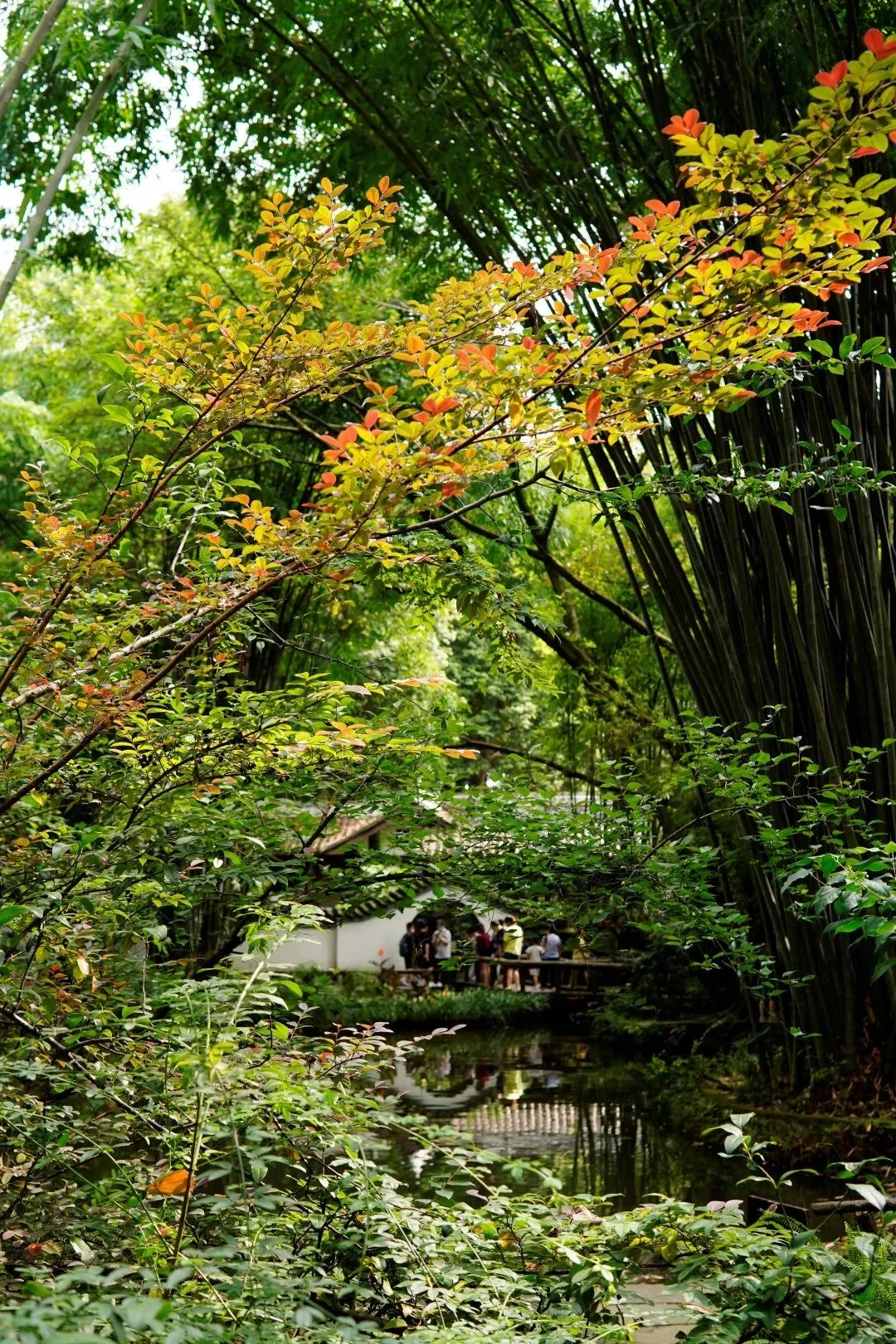
A lot of first-time visitors don’t really leave with a strong impression of Du Fu Cottage, thinking it’s just a simple “grass hut and poet memorial museum,” or even feeling it’s nothing special. But if you take a walk around and really look, you’ll find it’s actually super interesting—there’s both a cultural vibe and a unique laid-back atmosphere that’s so Chengdu. Although the cottage has gone through many renovations over the years, it still retains the essence that comes with age. The garden style here is a typical Sichuan garden, which is different from the refined Suzhou gardens in the south, embodying Chengdu’s “carefree and simple” spirit.
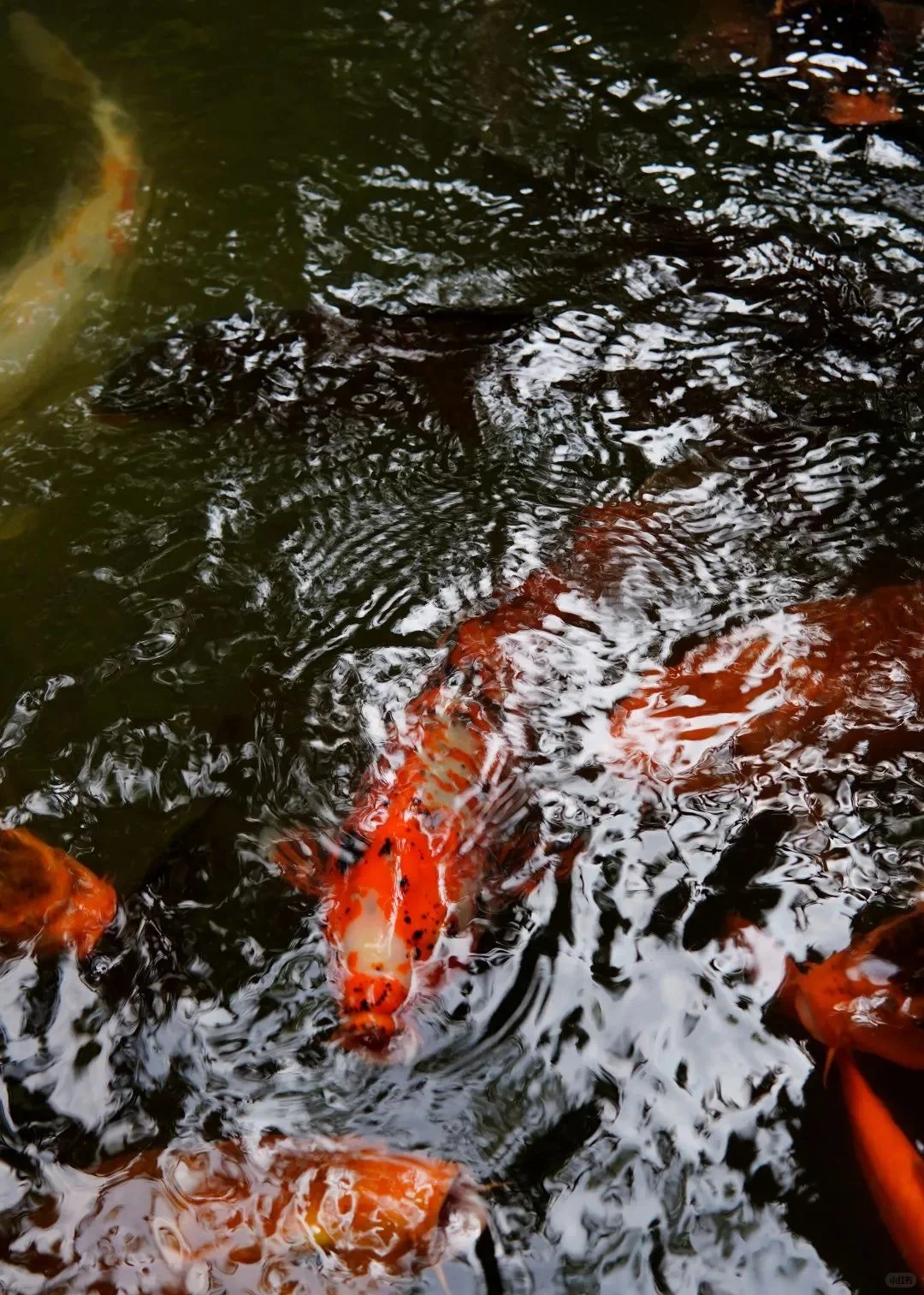
Plus, there are water features and a ton of cute koi everywhere—seriously, they're so many and so adorable—that add a lively feeling to this little paradise. Especially on days when I’m feeling down, I love coming here to stroll and watch the fish; it really feels like it can heal you.
Entering from the North Gate or the Main Gate? I Recommend the Main Gate
There are four entrances to the cottage, with the visitor center at the North Gate, so most newcomers tend to enter from there. But! Personally, I recommend entering through the main gate from the southwest side. It might not look like much at first, but it’s the one that preserves the original flavor and retains the architectural layout from the Qing Dynasty during the Jiaqing period. It feels like stepping into a historical time zone right away, almost as if you’re in sync with ancient poets.
Dufu Cottage Main Gate
Must-Try Tour Route: A Loop Around the Water Features
If you ask me about the classic tour route in Du Fu Cottage, I’d definitely recommend the one below. It mainly circles around the water system, covering all the key sights while letting you stroll smoothly without doubling back:
Main Gate (Southwest Gate) → 大廨 (Big Hall) → 诗史堂 (Poetry History Hall) → 柴门 (Firewood Gate) → 工部祠 (Ministry of Works Shrine) → 茅屋景区 (Thatched Cottage Scenic Area) → 唐代遗址 (Tang Dynasty Ruins) → Water Features → 大雅堂 (Grand Elegance Hall) → South Gate
At each spot along this route, I usually pause for a bit to soak it all in or snap some pictures. For example:
大廨 (Big Hall) is the first building you see at the entrance. It has a strong ancient charm, and the display boards have a sense of historical depth.
The exhibitions in 诗史堂 (Poetry History Hall) are worth taking your time with. Du Fu’s life journey from fleeing chaos to wandering around, and then going from poverty to grandeur, is like a history lesson written in poetry.
柴门 (Firewood Gate) and 茅屋景区 (Thatched Cottage Scenic Area) might feel a bit “textbook idealized” to those who have visited. But standing there and seeing the ancient architecture in person evokes deep feelings.
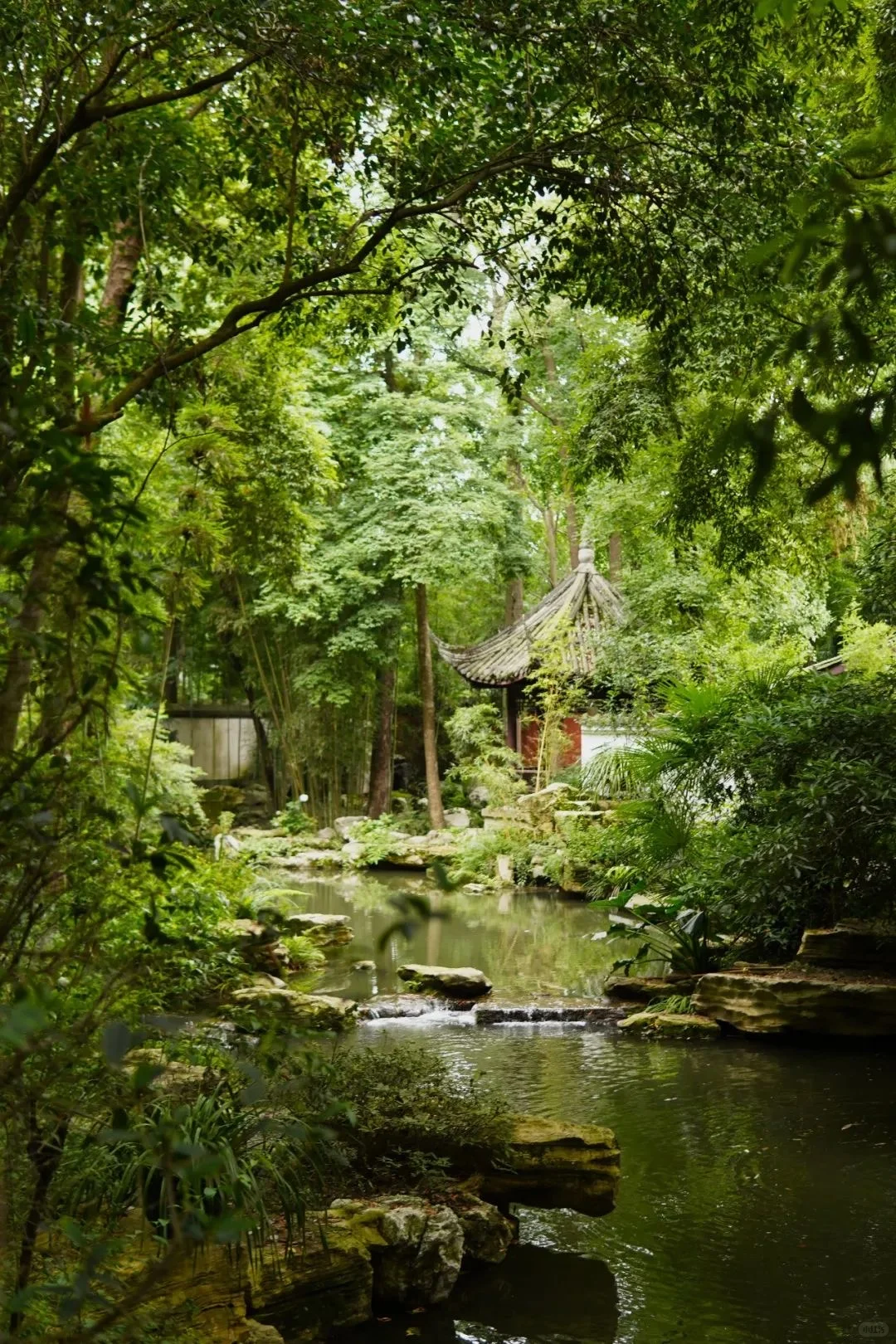
The Tang ruins and ancient water features are the natural highlights of the visit. There are so many koi by the water—seriously, you can’t feed them enough even with a whole bag of fish food. The beautiful fish can really lift your mood instantly.
Koi and Water Features
Sichuan-Style Gardens Unique to Chengdu
The gardens at Du Fu Cottage are quite special and very different from the intricate gardens of Suzhou. The plants here are all quite down-to-earth, like bamboo and willow trees, along with some local flowers and greenery. Combined with the small bridges, flowing water, and artificial ponds that pop up everywhere, it doesn’t feel overly manicured. Overall, it has this vibe of natural growth. The water system design is also interesting, with many small streams surrounding the main buildings. These little details make every corner a perfect backdrop for photos.
Cottage Gardens
Annual Pass is Super Worth It
Lastly, I have to add that if you live in Chengdu or plan to visit more than once, I strongly recommend getting an annual pass. The price is super reasonable (you’ll definitely get your money’s worth after a few visits), and with a pass, you can go in anytime without the hassle of buying tickets or time constraints. Plus, you won’t have to worry about it being a “one-time visit,” because the cottage is so large, and there are always details worth savoring.
By the time you read this, you might be excited to go, and I hope my tips help you out! If we run into each other at the cottage feeding koi, don’t forget to say hi!
A first-time visitor guide to Chengdu food, covering hotpot, chuanchuan, noodles, street snacks, teahouses, spice levels, and how to build an easy food route without overpacking the day.
A practical Chengdu transport guide for first-time visitors, covering airport arrival choices, metro planning, taxis, the panda base, and transfers to Dujiangyan or Qingcheng Mountain.
In China, strict vegetarians should not rely on “no meat” alone. Check broth, oil, seasonings and small toppings, prepare a short Chinese vegetarian card, save restaurants before arrival and keep backup food for arrival and transfer days.