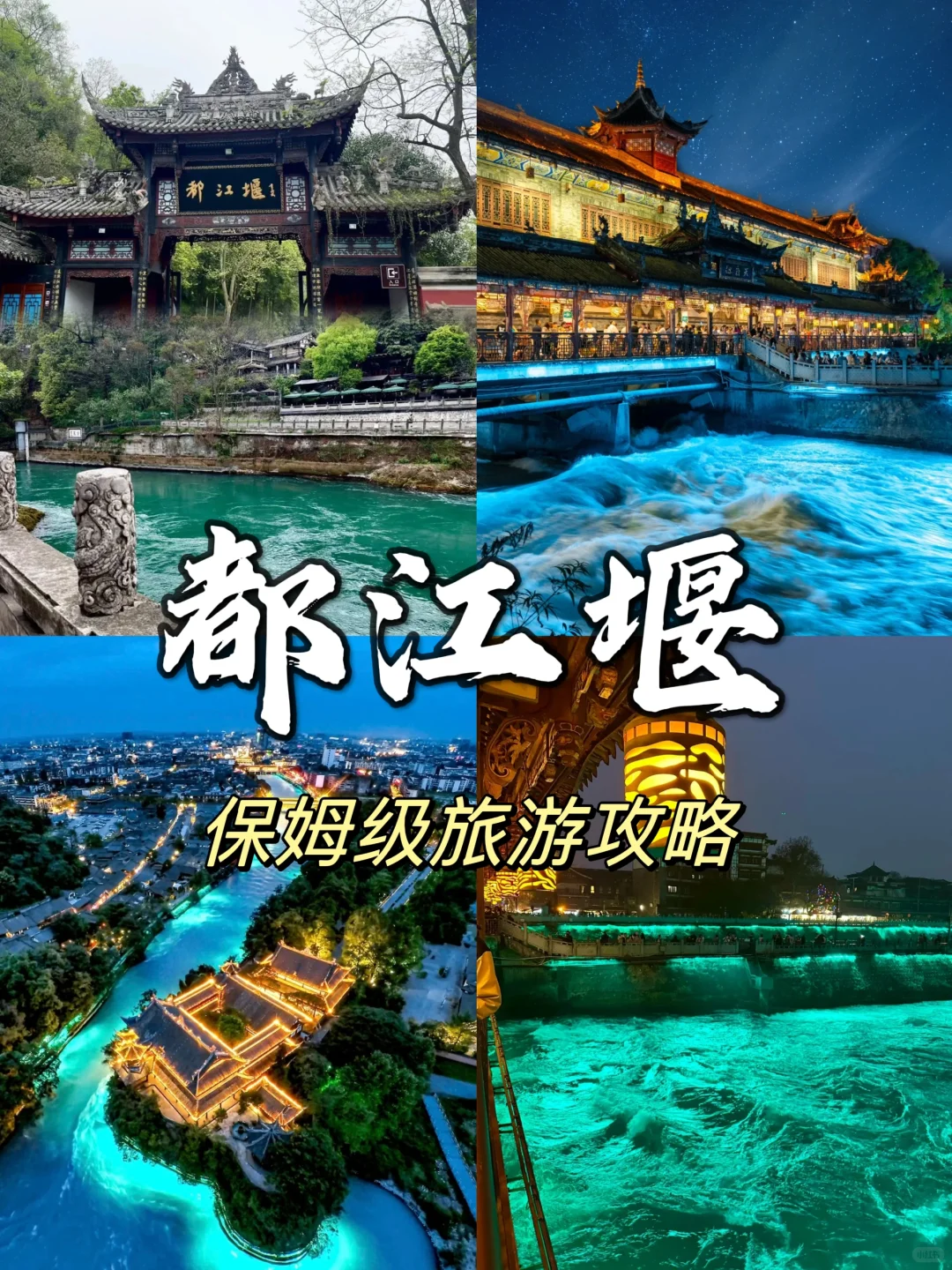
A Comprehensive Travel Guide to Dujiangyan: Experience the Charm of History and Nature
Jul 9, 2025
Author: TripInfoHub Editor. Compiled and translated into English by TripInfoHub.
Dujiangyan, located in Chengdu, Sichuan, is a captivating city where history and nature seamlessly intertwine, drawing visitors from all around. The main attractions include the UNESCO World Heritage Site of the Dujiangyan Irrigation System and the ancient Erwang Temple. This article provides detailed information on transportation, opening hours, ticket prices, local cuisine, photography spots, and a one-day itinerary to fully immerse visitors in the charm of Dujiangyan.
When it comes to places that left a lasting impression on me in Sichuan, Dujiangyan definitely ranks high. The first time I visited, a friend strongly recommended it, and I was skeptical about how interesting an ancient water engineering project could really be. But this trip not only opened my eyes to the wisdom of the ancients but also completely blew me away with the natural scenery. Today, I’m sharing my personal experience and practical tips that you can use right away—totally authentic.
Overview of Dujiangyan
Dujiangyan is located in Chengdu, Sichuan, and it’s basically a blend of historical culture and natural beauty. The famous Dujiangyan irrigation project was built way back in the 3rd century BC, and it's still functioning today. Plus, there are charming old buildings, impressive bridges, and peaceful gardens—it's truly a place that combines culture and scenery.
How to Get to Dujiangyan
Getting there is super convenient. I recommend taking the subway and then a high-speed train, which is both labor-saving and time-efficient. Just take Chengdu Metro Line 2 to Xipu Station, where you can switch to a high-speed train that’ll take you directly to either Dujiangyan Station or Lidui Park Station; both are really close to the main attractions. If you’re driving, just hop onto the Chengguan Expressway from Chengdu, and it’s smooth sailing!
Opening Hours and Ticket Info
The opening hours adjust by season: spring, summer, and autumn (from March 2nd to November 30th) run from 8 AM to 6 PM, while winter (from December 1st to next March 1st) closes a bit earlier, from 8 AM to 5:30 PM. Tickets are only 80 yuan each, which is super affordable and covers almost all attractions.
Must-Visit Attractions
Once you’re in Dujiangyan, you’ve got to hit some iconic spots! Here’s a recommended order for your visit:
Dujiangyan Irrigation Project
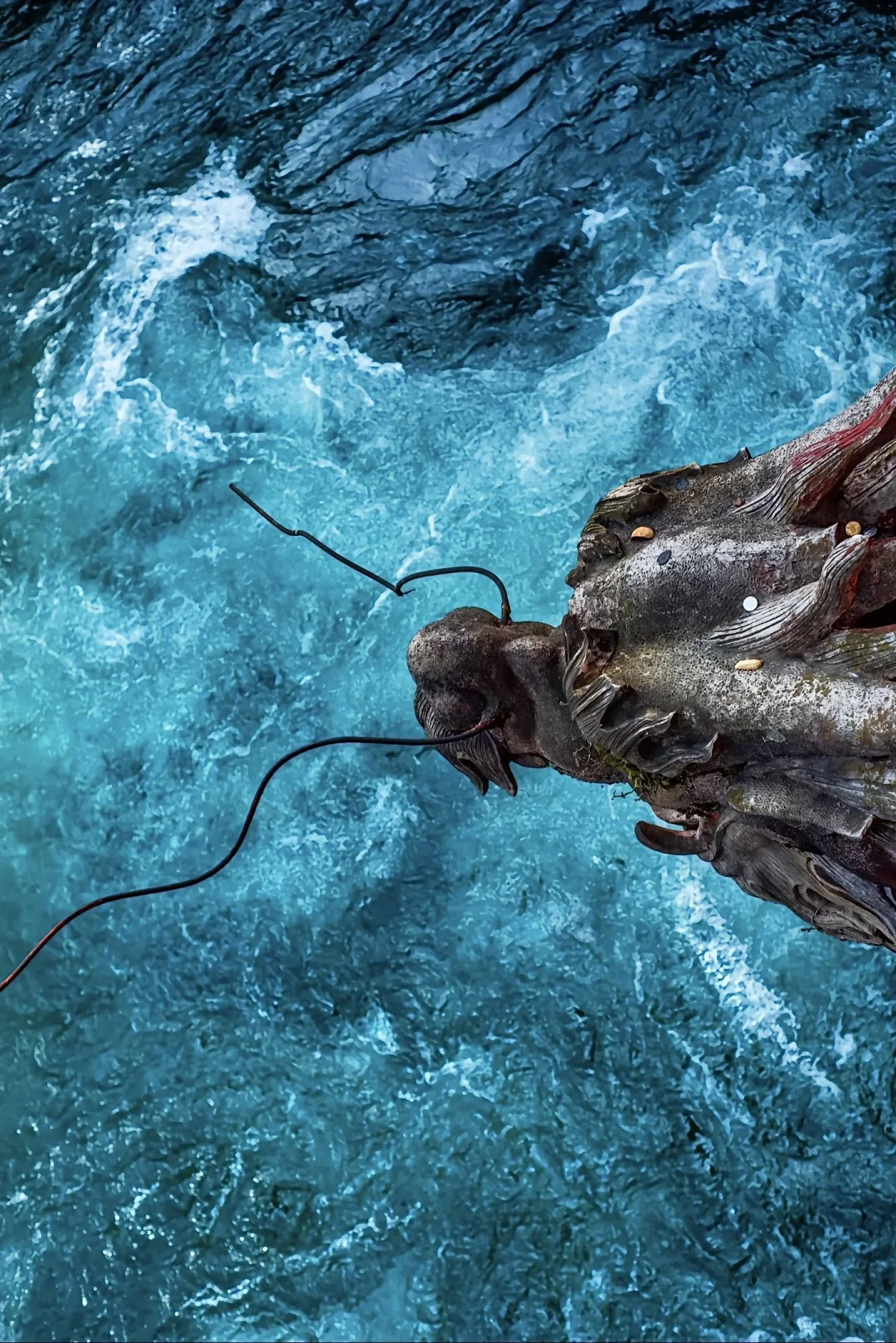
This is the heart of the trip; it’s no joke to call it a World Cultural Heritage site. The Fish Mouth Diversion, the Flying Sand Weir, and the Bottle Neck are still in use today, showcasing the ingenuity of ancient engineers. The tour guides provide super detailed explanations that really help you appreciate its brilliance.
A Comprehensive Travel Guide to Dujiangyan: Experience the Charm of History and Nature
Erwang Temple
This ancient structure memorializes Li Bing and his son. The vibe created by the red walls and lush cypress trees is quite enchanting, and walking through it feels like stepping back in time to when they managed water.
Anlan Suspension Bridge
This bridge was definitely the most fun part of my trip! It stretches over the Min River, and the swaying iron chain makes it thrilling and exciting. The rushing water below adds to the adventure; I clung to the safety ropes the entire time! If you’re feeling brave, snap some cool selfies!
Nanjiao Night View
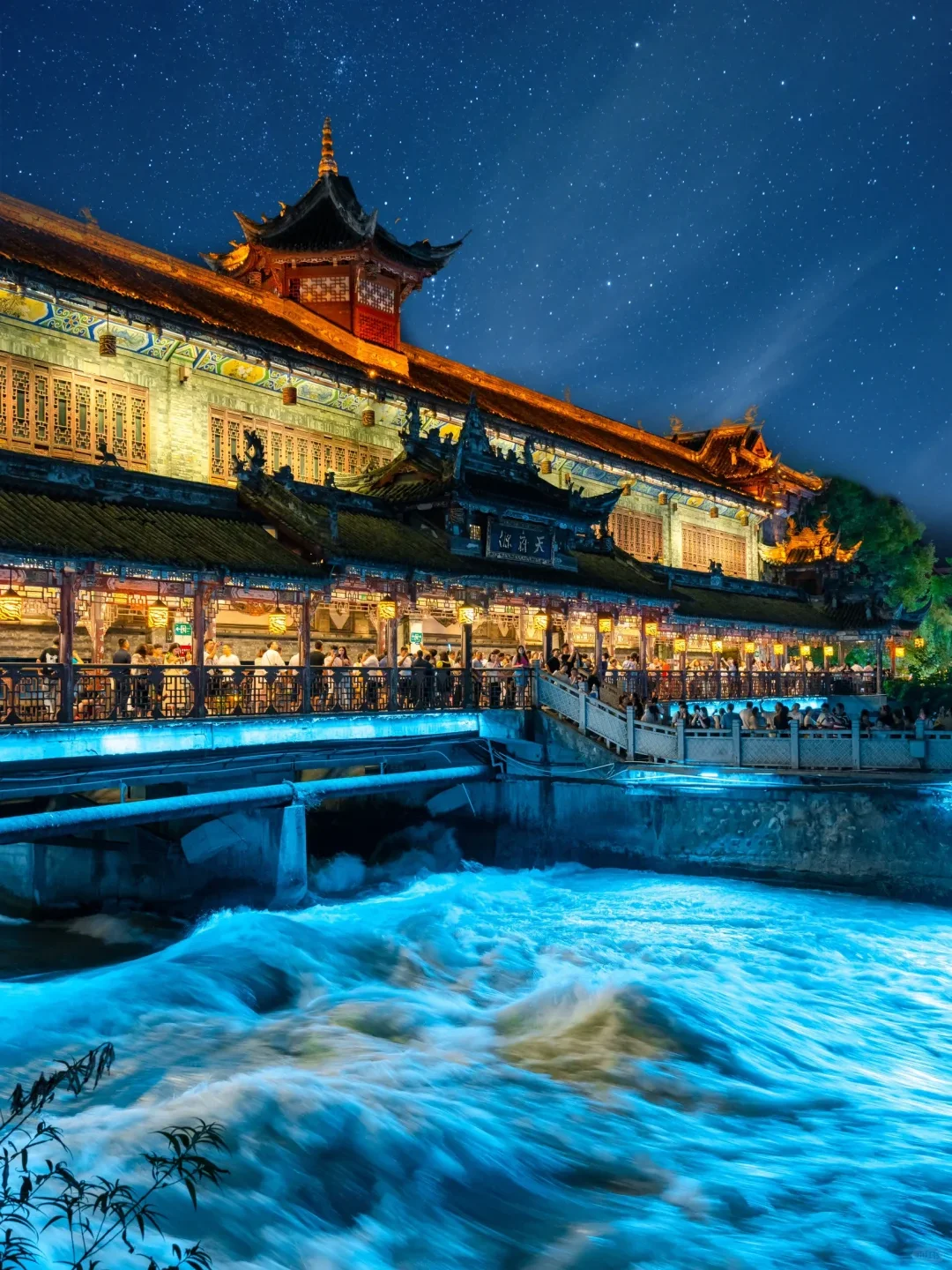
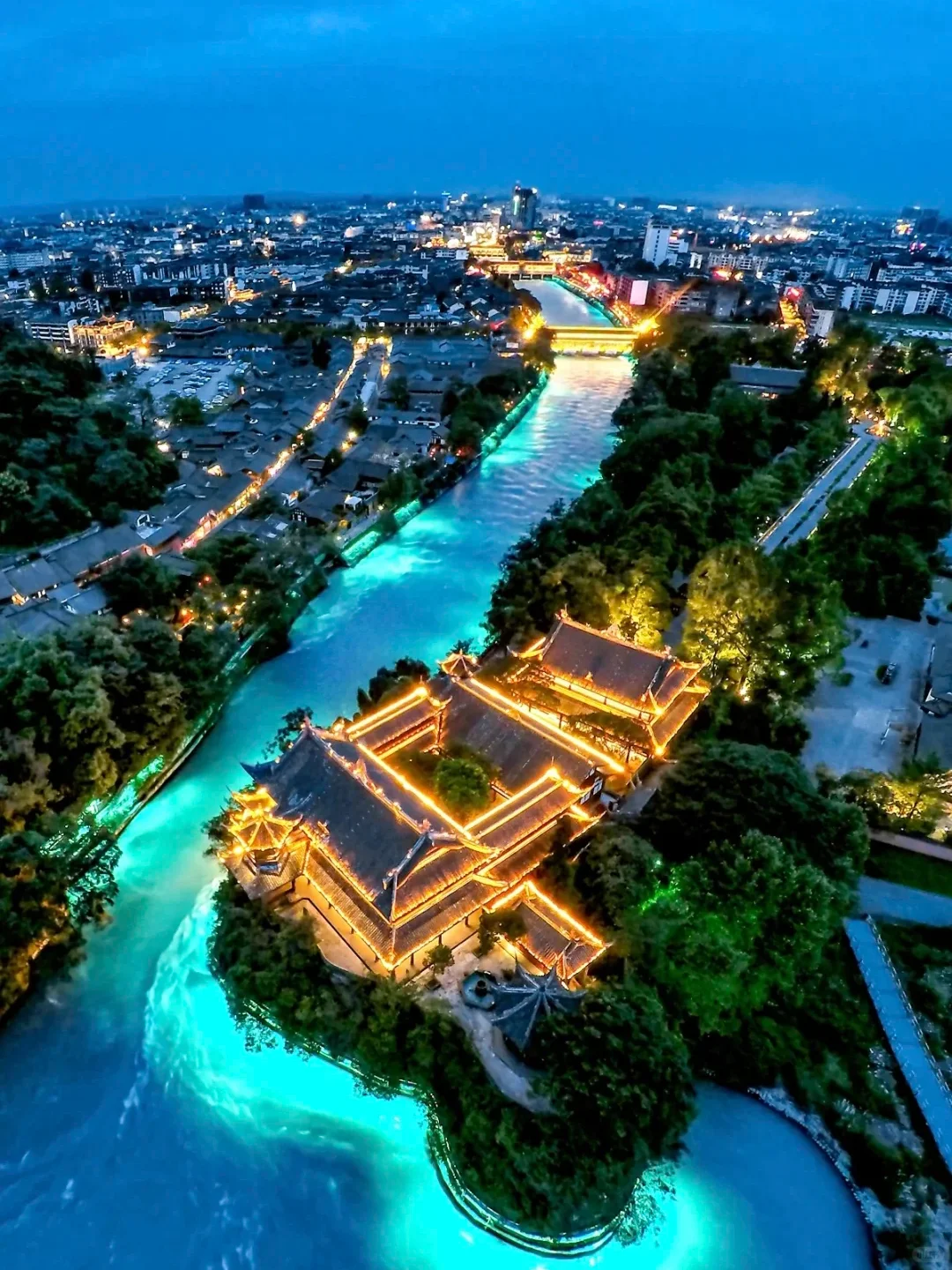
You can't miss Nanjiao in the evening. When the blue lights come on at night, reflecting off the river, it’s super romantic. Plus, you can enjoy the river breeze, which is an excellent way to unwind.
Lidui Park
The park is home to the famous Fulong Guan, an imposing structure. There’s also a ginkgo tree that was lush with green leaves when I visited, almost like you can hear the whispers of time. The blend of natural beauty and cultural sites is just perfect here.
One-Day Itinerary
If you’re short on time and can only spend a day, here’s a solid plan to make the most of it:
Morning: Take the high-speed train from Chengdu to Lidui Park Station. Start with a visit to Lidui Park and soak in the tranquil atmosphere.
Lunch: There’s a restaurant in the park where you can try local delicacies. I highly recommend the scallion rolls and leaf cakes; they're great for most tastes.
Afternoon: Head over to the Dujiangyan irrigation project and dive deep into its history and scientific principles with a guide.
Evening: Wrap up your day at Nanjiao, enjoy the stunning night views, and then head back.
Must-Try Cuisine
Dujiangyan has loads of delicious food that will leave you fully satisfied every time. Here are a few must-tries:
Qingcheng Mountain Bacon: Made using traditional methods, it’s fragrant and the meat is firm. It’s amazing whether paired with rice or on its own.
Ginkgo Stewed Chicken: The ginkgo is soft and mushy, and the chicken is tender. I personally love the soup; it’s nourishing and carries the essence of its ingredients.
A Comprehensive Travel Guide to Dujiangyan: Experience the Charm of History and Nature
Best Photo Spots
If you’re into photography, this place has an incredibly high chance of scoring great shots:
Anlan Suspension Bridge: Challenge yourself on this wobbly bridge; the rushing Min River in the background adds to the visual excitement.
Nanjiao Night View: Coming here at night makes it super easy to capture dreamy shots of the blue lights reflecting on the river—snap away, and you’ll have stunning photos!
Fish Mouth Area: Don’t miss capturing the ancient irrigation project here; you can see the clever design behind it.
Erwang Temple: The details in the architecture here are fabulous, making it perfect for capturing that vintage vibe.
A Comprehensive Travel Guide to Dujiangyan: Experience the Charm of History and Nature
Travel Tips
Lastly, here are a few extra tips:
Rain Gear: It’s a bit damp around Dujiangyan, so bringing an umbrella is a safe bet.
Safety Precautions: Watch your step while exploring the irrigation project and don’t climb the railings—safety first!
Respect the Culture: Many places have religious significance, so remember to be respectful and avoid inappropriate actions while taking photos.
Protect the Environment: Dujiangyan is so beautiful; let’s love it and help preserve it so future generations can enjoy it too.
With these tips, you’re all set for an amazing journey in Dujiangyan!
A practical Chengdu transport guide for first-time visitors, covering airport arrival choices, metro planning, taxis, the panda base, and transfers to Dujiangyan or Qingcheng Mountain.
A first-time visitor guide to Chengdu food, covering hotpot, chuanchuan, noodles, street snacks, teahouses, spice levels, and how to build an easy food route without overpacking the day.
In China, strict vegetarians should not rely on “no meat” alone. Check broth, oil, seasonings and small toppings, prepare a short Chinese vegetarian card, save restaurants before arrival and keep backup food for arrival and transfer days.