

How to Pay in China: Alipay and WeChat Pay for Foreigners
Set up foreign-card payments, understand verification and fees, and keep practical backups for everyday purchases in China.
This article provides a detailed guide for exploring Yuanmingyuan in Beijing, including recommended entrances, key attractions, suggested itineraries, and tips for visitors, especially those interested in photography and history.
Last weekend, I went to 【Yuanmingyuan】 by myself. The weather was just right, and I had a really relaxing time. Being a lazy and laid-back traveler, I didn't follow the recommended East Gate route. Instead, I went in through the South Gate, which felt way more comfortable. Plus, with a little strategy, I managed to dodge the crowds, making the whole experience super enjoyable. So today, I'm excited to share my honest travel route with you all!
Most people choose to enter from the East Gate, but if, like me, you're taking the subway alone, I highly recommend going in through the South Gate. It's much quieter and more peaceful compared to the East Gate, perfect for anyone wanting to snap some clean photos. Plus, this route saves a lot of time since you can head straight to the highlights, and it's close to the subway station, so you won't waste time wandering around.
Tips Before You Enter:
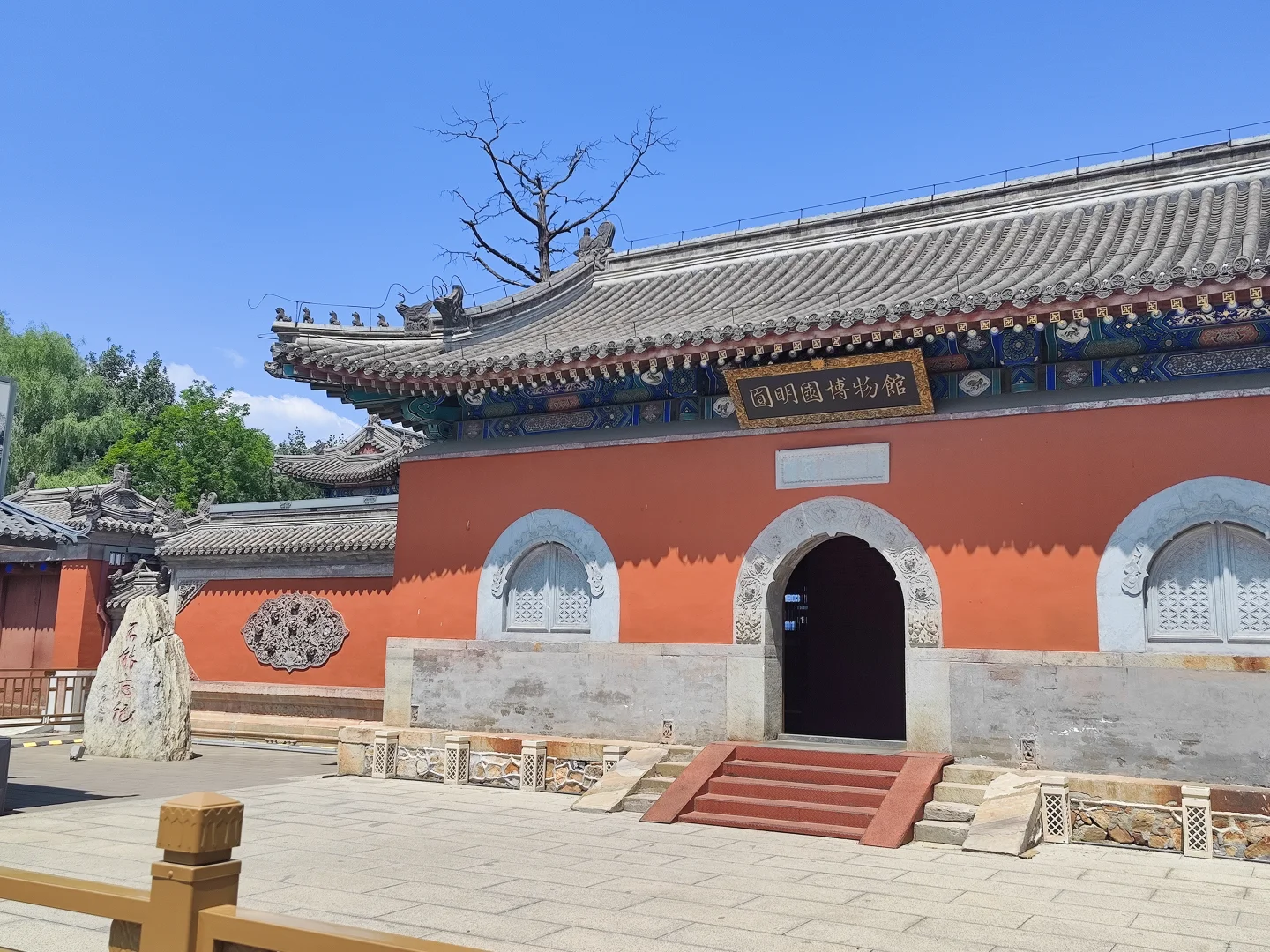
After entering through the South Gate, the first stop is Zhengjue Temple, also known as the Yuanmingyuan Museum (don’t forget to book your free ticket in advance!). This spot is totally worth visiting, especially for those interested in Qing dynasty history or artifacts.
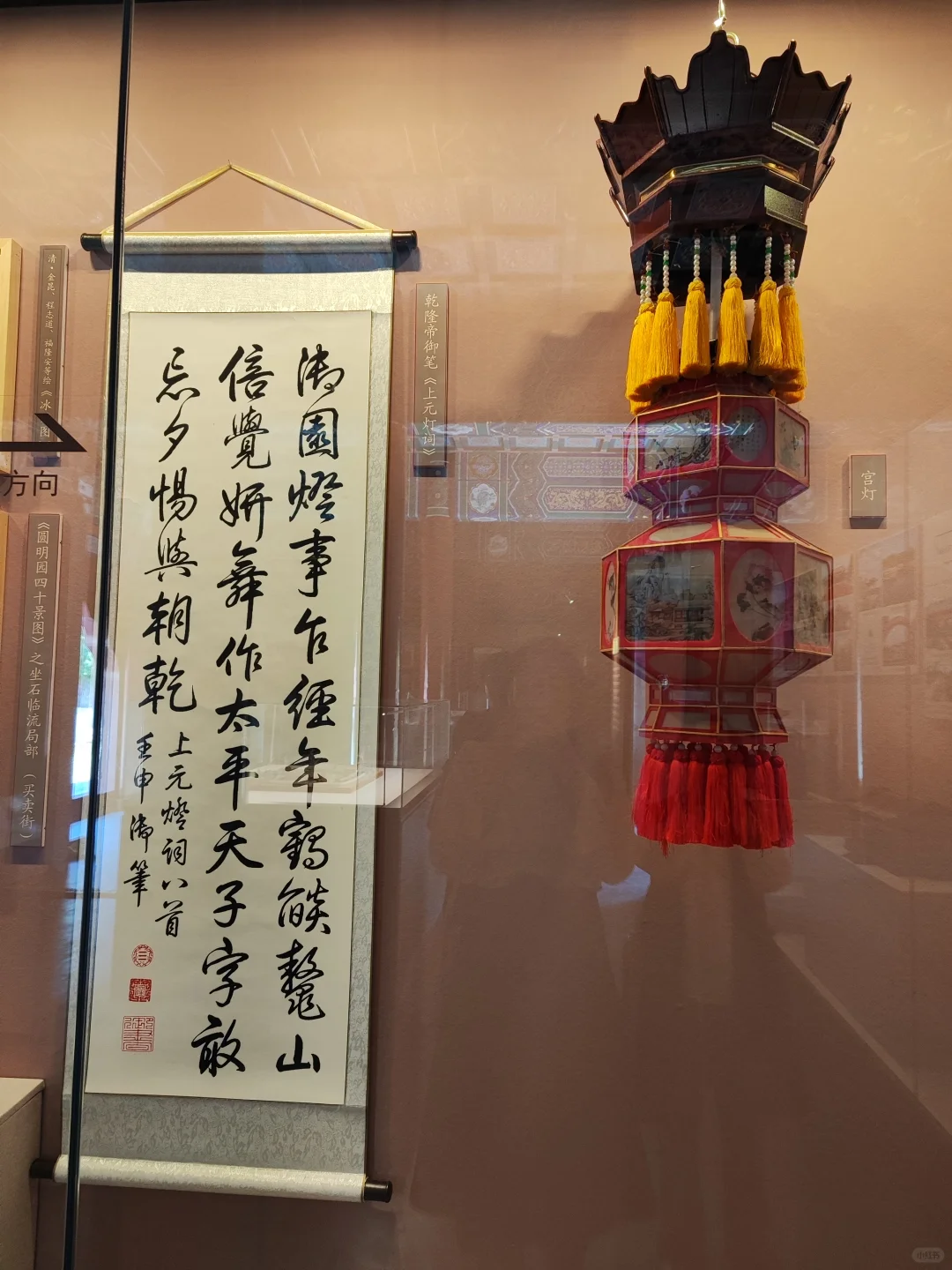
When I visited, there was a “Return of the Copper Horse Head” exhibition, and seeing the original horse head statue was really impressive—definitely a national treasure! The royal artifacts on display are super beautiful, with intricate details. I suggest taking your time and appreciating each piece, like you’re stepping into daily life in the Qing Palace.
Must-See Highlights:
Opening Tips:
After leaving Zhengjue Temple, there are clear signs in the park showing the way to the shuttle bus station. A one-way ticket costs 20 yuan per person. Don't think it's too expensive; once you're on the bus, you'll see it's worth it—it's quick! In about ten minutes, you'll reach the 【Western Ruins】. This route is a huge time-saver; otherwise, it would take over half an hour on foot, and the scenery is pretty much the same the whole way. Save your energy for the key photo spots!
Here are some tips for taking the bus:
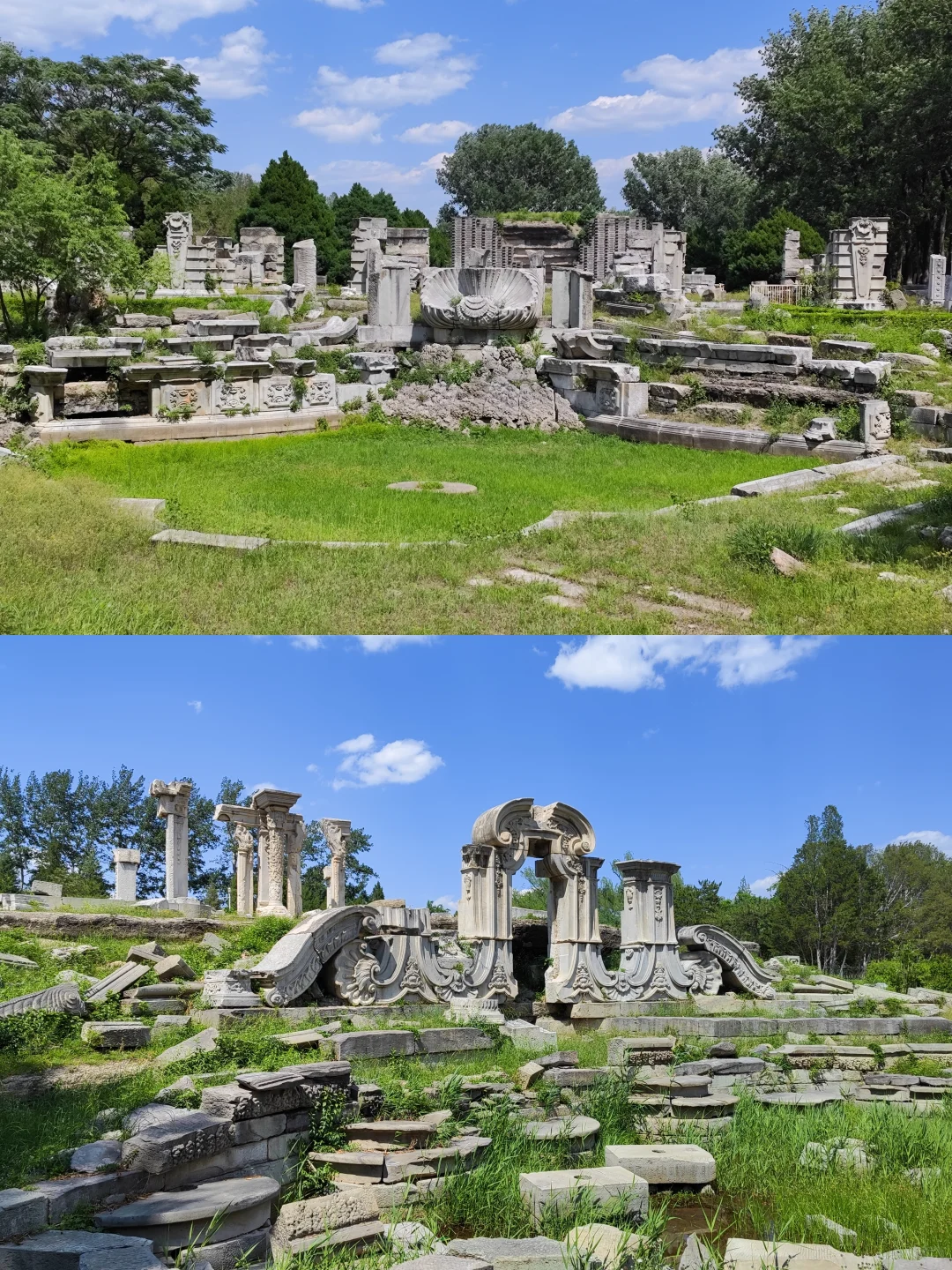
Finally, we've reached the most iconic part of the entire park—the 【Western Ruins】. If you've seen those famous photos of the Great Waterworks in history textbooks, this will take you back to your student days. The weathered stone pillars and sculptures left behind really showcase a unique beauty of ruins.
Must-See Highlights:
I particularly enjoyed playing in the little maze of yellow flowers; it looked small but was actually quite interesting. Getting lost here felt okay, and reaching the top gave me a beautiful green view that truly relaxed my mind and body.
If you have some extra time during your visit, take a stroll along the less-traveled paths outside the main attractions. I ran into a black swan by the lake, and I stood there watching it for a while. I also stumbled upon a cute little cat, which was such a heartwarming encounter! The natural environment in the park is fantastic, making it perfect for a leisurely walk. Don’t rush; take your time and enjoy the experience—this laid-back vibe is a hallmark of Yuanmingyuan.
Finally, here are some practical reminders to avoid pitfalls:
If you're like me and prefer a time-efficient and effortless way to travel, the route of “South Gate → Zhengjue Temple → Shuttle Bus → Western Ruins” is super friendly. You’ll catch all the highlights and beautiful scenery. If you get the chance, give it a try!
Explore curated city guides and local travel stories to plan your next China itinerary.
Set up foreign-card payments, understand verification and fees, and keep practical backups for everyday purchases in China.

How to handle luggage during China train station layovers, including left-luggage counters, lockers, nearby shops, timing risk and what to keep with you.
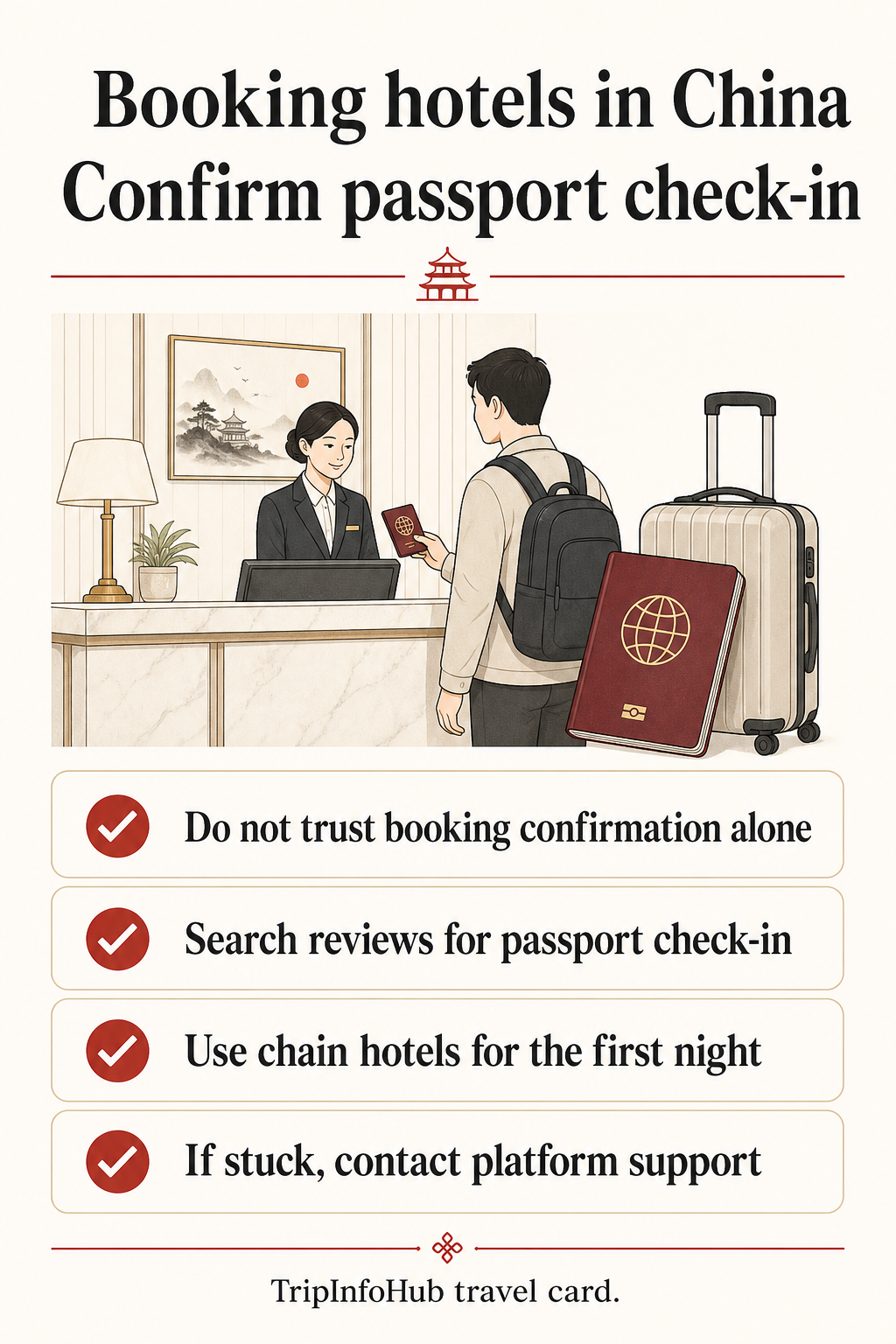
How foreign visitors should prepare for hotel check-in in China, including passport registration, booking confirmation, late arrival risk and what to do if a hotel cannot process your stay.