

How to Pay in China: Alipay and WeChat Pay for Foreigners
Set up foreign-card payments, understand verification and fees, and keep practical backups for everyday purchases in China.
A practical 798 Art District food guide with seven restaurant picks, average prices, what to order, when each place works best, and how to plan food around a gallery visit.
For a first 798 Art District visit, do not leave food planning until you are already tired from galleries. Pick one restaurant style before you arrive: rice noodles or dumplings for a fast solo meal, Yunnan or Sichuan for a sit-down group meal, and Xi San Yi Noodles if you want something quiet before moving back into the art spaces. Most meals below sit around 40-100 RMB per person.
Practical planning notes reviewed on October 1, 2026. Earlier visit prices and opening arrangements below are not a current menu or operating schedule.
Choose a meal near your confirmed gallery or exhibition. Restaurant names and prices below are earlier visit notes; check the current branch, hours and menu before travelling. The Beijing government’s 798 overview helps with district planning.
The 798 Art District isn’t just a cultural hub; it's also a food paradise that can surprise your taste buds at any time. As a “local” of 798, I've turned it into my personal cafeteria while grabbing bites here and there during work. Today, I want to share my favorite seven places—each one has been tried and tested countless times and can stand the test of time. You might come to 798 for the exhibitions, but after trying these delicious dishes, you might think that just coming for the food makes the trip worth it!
The mistake I see visitors make in 798 is treating food as something to decide after the exhibitions. That works in a normal shopping district, but 798 is spread out enough that a hungry walk can turn into a slow loop between galleries, courtyards and small lanes. I now pick a food type first, then build the gallery route around it.
Use the list like this. If you arrive around lunch and still want to keep moving, choose rice noodles, dumplings or Xi San Yi Noodles. If you are meeting friends after a long exhibition walk, choose Menglin Kitchen, Eat Factory or Wan Small Kitchen. If someone in the group is tired of spice, keep M Little Buy as the safer fallback. Before going, re-check the current opening status on your map app because small restaurants around art districts can change hours, rest days or locations.
| Traveler situation | Best pick | Why it works |
|---|---|---|
| Solo gallery break | Si Xi Rice Noodles or Xi San Yi Noodles | Quick, filling and easy to order without a long meal |
| Budget lunch | Jiaodong Liu Mama's Juicy Dumplings | Handmade dumplings and side dishes keep the meal practical |
| Group dinner | Menglin Kitchen or Wan Small Kitchen | Better for sharing dishes after a full 798 walk |
| Lighter sit-down meal | Eat Factory | Yunnan flavors and a calmer room work well after exhibitions |
| Simple comfort food | M Little Buy Japanese Snack Bar | Set meals are predictable if everyone wants different spice levels |
I've been eating at this place for 6 years; it’s truly a hidden gem in 798. They say their luosifen (snail noodles) rank among the top three in Beijing, and the quality has always been consistent, so I never get tired of it. The noodles have great texture, the broth is layered, and the sourness and spiciness are just perfect. Every time, I must order the luosifen and their signature mixed noodles. Sometimes, I'll add a portion of beef fried noodles or spicy boiled noodles. The combo is just to die for! Moreover, their desserts, like sweet soups, are also a highlight—having a bowl after the meal feels like a sweet ending for my taste buds.
Average cost: about 40 yuan Recommended dishes: luosifen, signature mixed noodles, beef fried noodles, spicy boiled noodles.
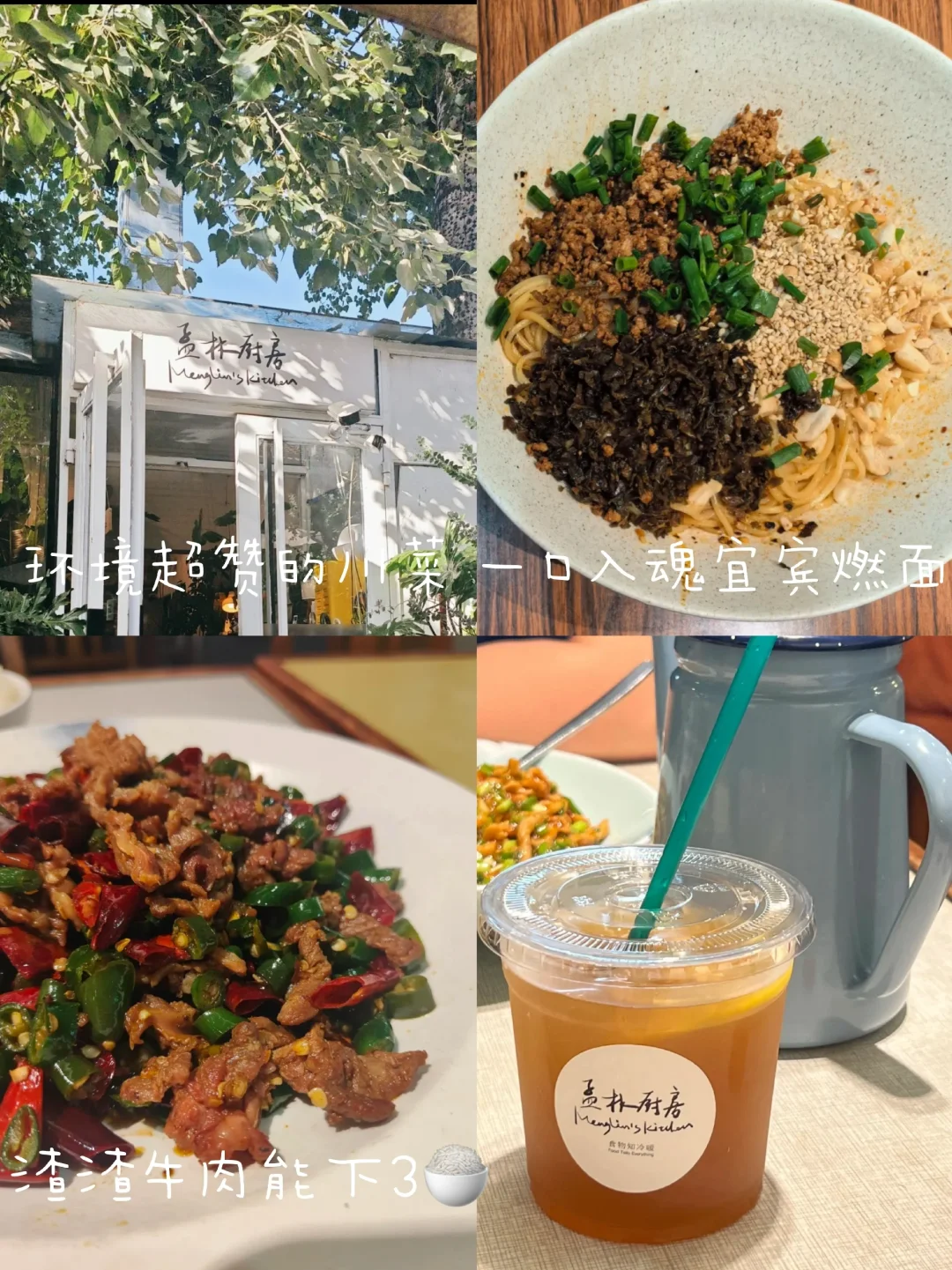
The first impression I had of Menglin Kitchen was its simple decor, kind of like stepping into a relative's home. This place specializes in Sichuan cuisine, and both the atmosphere and the dishes have a homestyle quality. I recommend the Yibin Ran Noodles; it’s definitely a “one-bite soul food” experience. The stir-fried beef is super appetizing, and the spicy pork and chicken pot is perfect for sharing with friends. The owner is quite interesting and seems to love collecting nostalgic trinkets, which fill the entire place and make you want to take a closer look.
Average cost: about 93 yuan Recommended dishes: Yibin Ran Noodles, stir-fried beef, spicy pork and chicken pot.
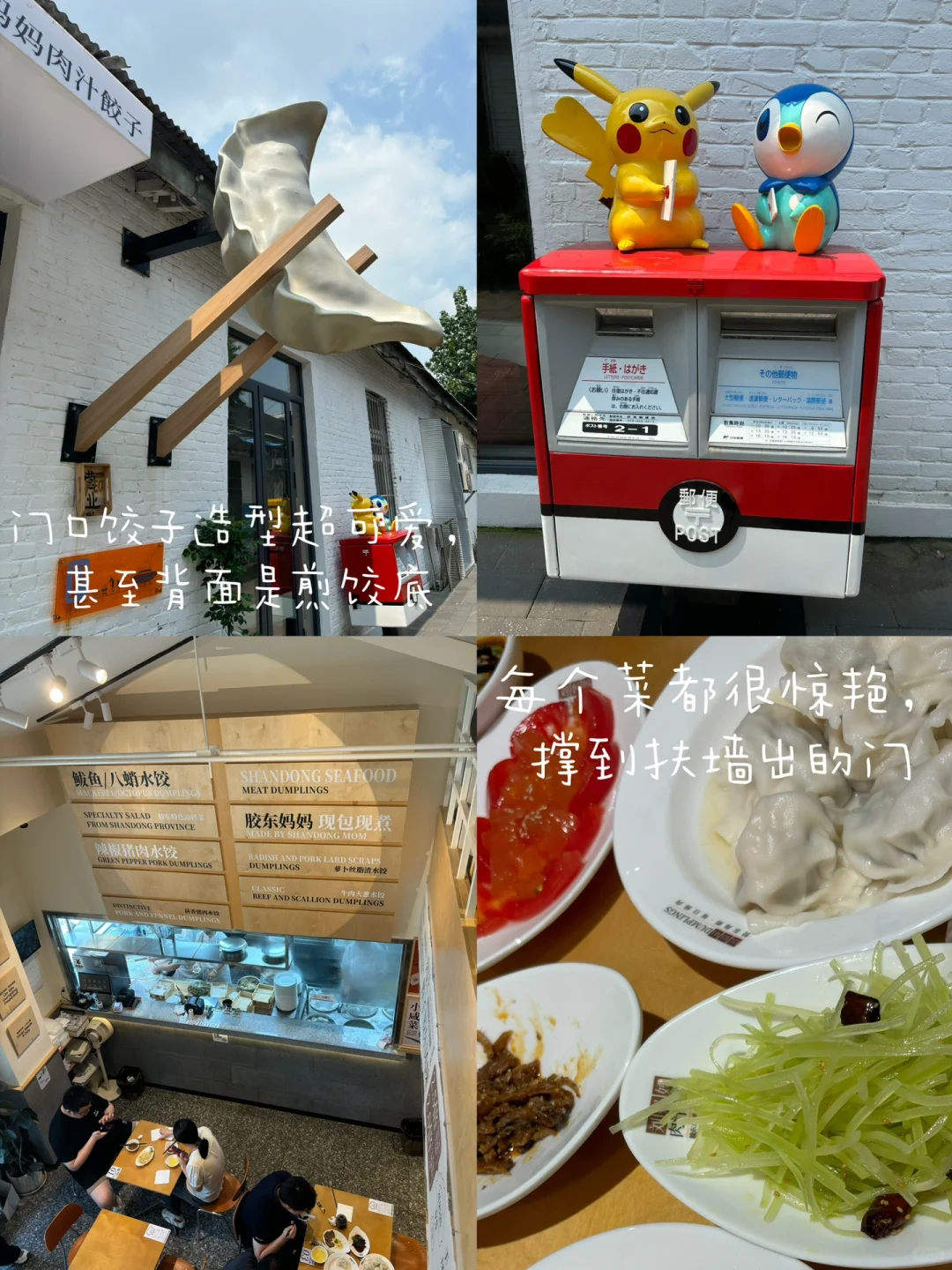
This place is tucked away in a small alley in 798; at first glance, it looks like a café, but once you eat there, you realize it's a handmade dumpling shop! The dumplings are made fresh, and the quality made me feel genuinely impressed. The first time I tried the scallop dumplings, the skins were thin and smooth, and the filling was delicious. They really pay attention to detail too; they even offer free American coffee and corn soup. It’s a great value for lunch or dinner. If you have room for more, pairing it with a side dish like crispy spiced ribbon fish or jelly tomato is just perfect!
Average cost: about 50 yuan Recommended dishes: scallop dumplings, crispy spiced ribbon fish, radish shreds dumplings, jelly tomato.
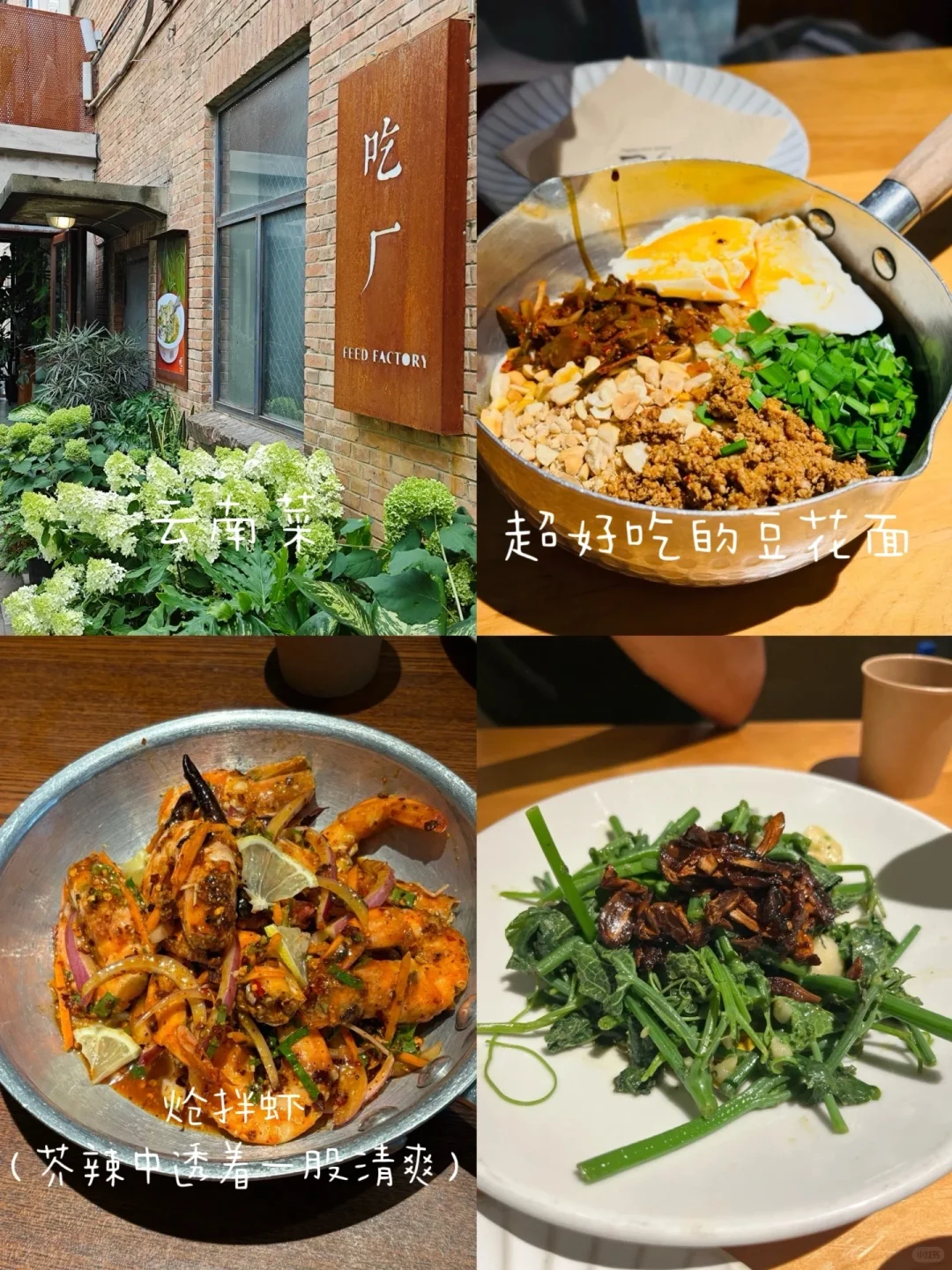
This Yunnan fusion restaurant takes an artistic approach, and the hydrangeas at the entrance are perfect for all your social media snaps—great for a meal with friends. I recommend their spicy Yunnan shrimp and Dali green plum pork ribs; both dishes have a very unique flavor, and you can't go wrong with any rice noodles you order. The atmosphere is quiet and comfortable, making it a perfect spot to unwind.
Average cost: about 98 yuan Recommended dishes: tofu rice noodles, spicy Yunnan shrimp, Dali green plum pork ribs.
From Sanlitun to 798, M Little Buy offers unmatched value without breaking the bank. Their Japanese set meals, especially the teriyaki chicken rice, always leave me questioning how it can be so cheap yet so delicious! I always leave satisfied, and the beef sukiyaki also has a high order rate. The place is pretty simple in decor, but the service and flavors are warm enough to make you feel at home.
Average cost: about 82 yuan Recommended dishes: teriyaki chicken rice set, beef sukiyaki.
If I’m dining with friends, my first pick is definitely this Sichuan-style frog tavern. The food not only hits the taste buds but also adds to the lively atmosphere of the gathering. The double-flavored grilled frogs and the Sichuan skewers are must-orders, and you can adjust the spiciness based on your preference. There’s a wide variety of dishes, so everyone’s different tastes can be satisfied every time!
Average cost: about 85 yuan Recommended dishes: double-flavored grilled frogs, Sichuan skewers.
Xi San Yi Noodles is low-key tucked away in a corner of 798. Though the place is small, it feels cozy. They really focus on the details in their noodle dishes, like pea paste noodles and shredded chicken cold noodles, which are surprisingly memorable. It’s a nice spot for a quiet solo break or a cozy gathering with friends—comfortable and healing.
Average cost: about 50 yuan Recommended dishes: pea paste noodles, shredded chicken cold noodles.
That’s my food map for 798, covering a variety of flavors from Sichuan to Yunnan, Japanese cuisine, and dumplings, perfect for solo dining or group gatherings. Next time you head to 798, you can use this as a reference; you’re sure to find your favorite dish!
For a quick solo meal, start with Si Xi Rice Noodles, Jiaodong Liu Mama's dumplings or Xi San Yi Noodles. For a longer meal with friends, choose Menglin Kitchen, Eat Factory or Wan Small Kitchen.
Most casual meals in this guide sit around 40-100 RMB per person. Dumplings and noodles are the easiest budget choices, while Yunnan fusion and Sichuan-style frogs cost more.
Lunch is easier if you want a quick break between galleries. Dinner works better for group meals, but popular places can fill up after exhibition hours.
Explore curated city guides and local travel stories to plan your next China itinerary.
Set up foreign-card payments, understand verification and fees, and keep practical backups for everyday purchases in China.

How to handle luggage during China train station layovers, including left-luggage counters, lockers, nearby shops, timing risk and what to keep with you.
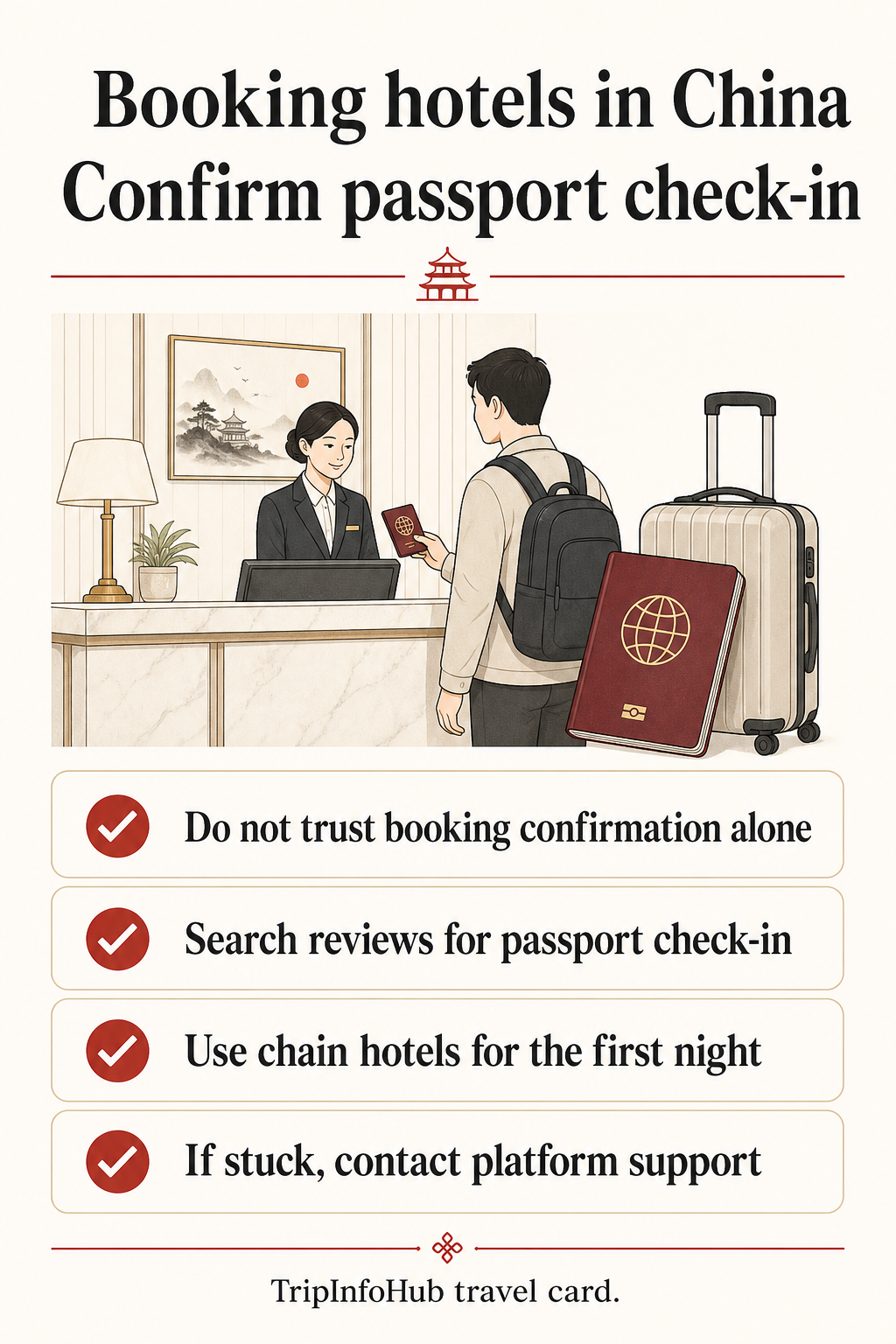
How foreign visitors should prepare for hotel check-in in China, including passport registration, booking confirmation, late arrival risk and what to do if a hotel cannot process your stay.